How We Work
The Relationship Agreement
Before we work together, we both sign a Relationship Agreement. Not because the law requires it.
Because honesty requires it.

What is it?
A mutual commitment. Signed by both of us before work begins.
It sets out what you can expect from me and what I expect from you. Expectations go both ways — because it’s a relationship. We both sign it, and we’re both bound by it.
This isn’t standard practice. Most advisors take anyone who pays. I don’t. My clients stay an average of 11 years. They’re not staying because switching is hard. They’re staying because the relationship is honest from day one. This is how it starts.
Why it exists
This isn’t the full text. It’s the spirit of it — what you’d need to know to decide whether this is how you want to work.
What it covers
This isn’t the full text. It’s the spirit of it — what you’d need to know to decide whether this is how you want to work.
What I commit to
- Honest communication — including things you might not want to hear
- Access when you need it, not just at year-end
- Confidentiality that goes beyond the legal minimum
- Clear fees with no surprises
- Telling you when I’m not the right person for what you need
What I need from you
- Honesty about what’s happening in the business
- Information provided when asked — not chased three times
- Respect for my time and expertise
- Fees paid as agreed
- The maturity to hear what the numbers are saying
- Telling me if something isn’t working, instead of going quiet
The guarantee
I don’t just stand behind my work. I stand behind my word. That’s what the Relationship Agreement means in practice — not just a commitment to communicate well, but a commitment to deliver. If I fall short, I make it right.
What is signals
The Relationship Agreement is a filter — deliberately.
It signals that I work with people who value logic, straight talk, and personal responsibility. People who are done being managed rather than challenged. People who want an advisor who’ll tell them the truth, not an advisor who tells them what they want to hear.
The owner who reads the agreement and thinks “finally, someone who takes this seriously” — that’s who I work with.
The owner who reads it and thinks “this is a lot” — that’s useful information too. Not a judgement. Just information about fit.
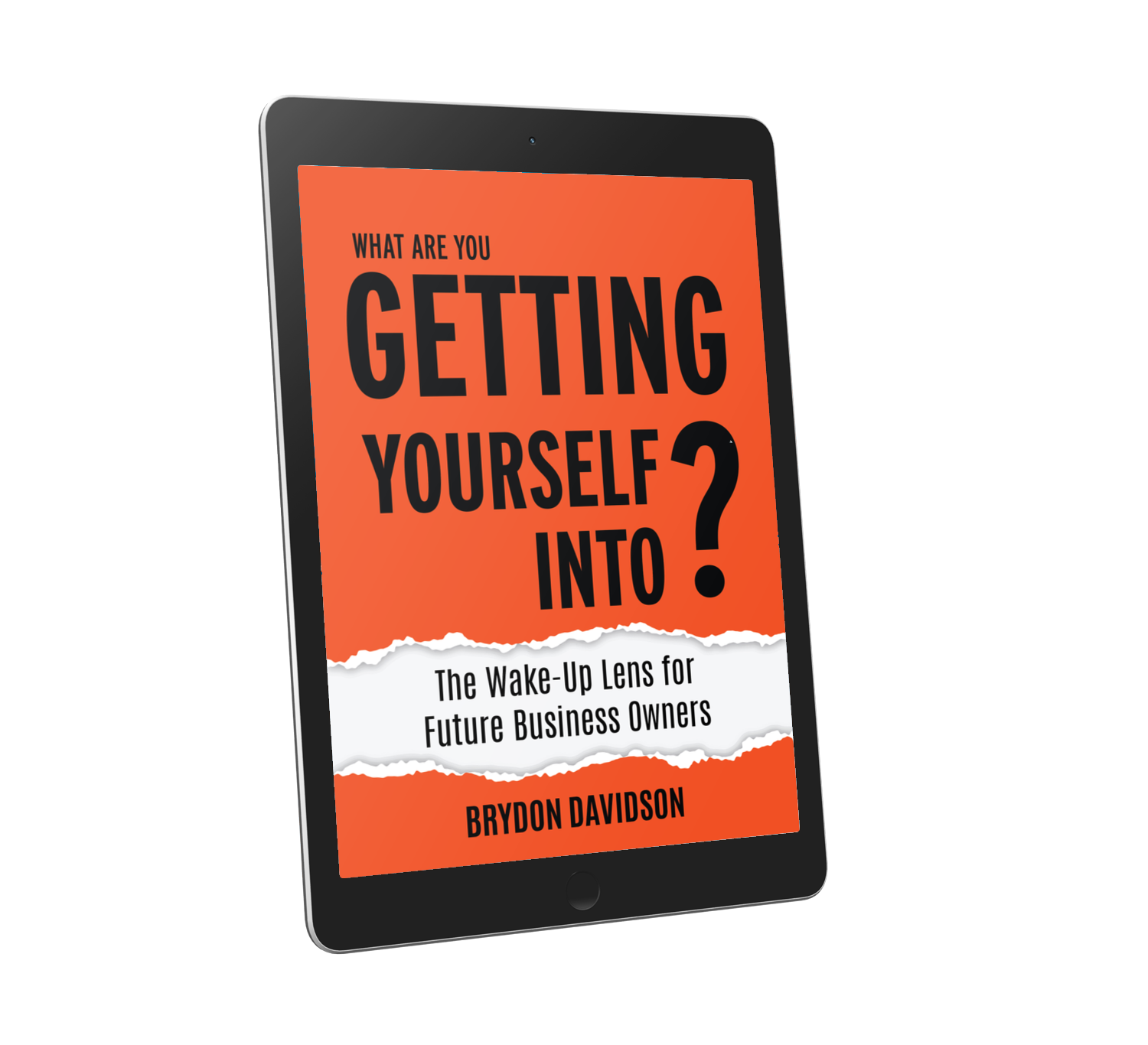
No other accountant I’m aware of in this market does this. That’s not because it’s unusual. It’s because most do the very thing I talk about in What Are You Getting Yourself Into? — copy every other accountant and what our Institute tells us to do, and send you an engagement letter you need to sign to protect the accounting profession. I’m not like every other accountant; I choose to protect our relationship first.
For Better Business Way clients
If you enter the Better Business Way — the coaching work that changes who you are as a business owner — there’s a short set of additional terms that sit alongside the main agreement.
The Better Business Way goes deeper than accounting. Into fears, frustrations, personal blockers, and things you wouldn’t say in a normal meeting. The additional terms cover that depth: what stays confidential, what I will and won’t do, and what’s expected of you in that different kind of conversation.
The main agreement is the foundation — you sign that before I start. The Better Business Way terms only come into play if we step into that conversation. Not every client does, and that’s fine.
The Relationship Agreement isn't the start of a sales process.
It’s the start of a working relationship — or the honest acknowledgement that this isn’t the right fit.
Either outcome is fine. Both are useful.